
Why Dental Cleaning is Essential for Your Oral Health?
Dental cleaning, also known as prophylaxis or teeth cleaning, is a crucial aspect of maintaining good oral hygiene. While brushing and flossing at home are essential daily practices, professional dental cleanings play a vital role in keeping your teeth and gums healthy.
What is Dental Cleaning?
Dental cleaning is a procedure performed by a dental hygienist or dentist to remove plaque, tartar (hardened plaque), and stains from the teeth. It involves two main steps: scaling and polishing.
-
Scaling: During scaling, the dental professional uses specialized instruments to remove plaque and tartar buildup from the tooth surfaces, especially in areas that are difficult to reach with regular brushing and flossing. This process helps prevent gum disease and tooth decay.
-
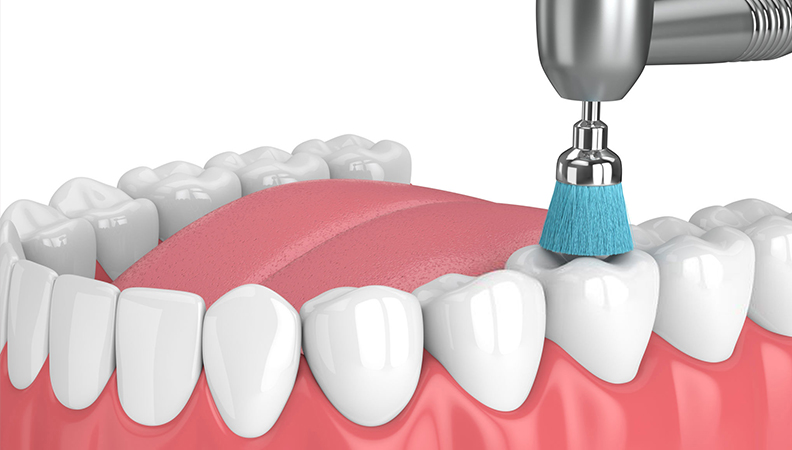
Polishing: After scaling, the teeth are polished to remove surface stains and make them smooth and shiny. Polishing also helps to remove any residual plaque and bacteria, leaving the teeth feeling clean and fresh.
Benefits of Dental Cleaning:
-
Prevention of Gum Disease: Regular dental cleanings can help prevent gum disease by removing plaque and tartar buildup, which are major contributors to gingivitis and periodontitis.
-
Cavity Prevention: Removing plaque and tartar also helps prevent tooth decay and cavities. Clean teeth are less likely to develop cavities, especially when combined with good oral hygiene practices at home.
-
Fresh Breath: Dental cleaning removes bacteria that cause bad breath, leaving your mouth feeling fresh and clean.
-
Early Detection of Dental Issues: During a dental cleaning, the dentist or hygienist can identify any potential dental problems early on, such as cavities, gum disease, or signs of oral cancer. Early detection allows for prompt treatment, preventing the progression of these issues.
-
Improved Overall Health: Research has shown that there is a link between oral health and overall health. Regular dental cleanings may help reduce the risk of certain systemic conditions, such as heart disease and diabetes, by maintaining good oral hygiene.